A lifestyle guide for Slovenia
Everyday wellness for a longer, better life in Slovenia
Most adults here don't need a dramatic overhaul. They need a handful of routines that survive a normal working week, plus a clearer idea of when to see a doctor.
What this guide is, and what it isn't
Habits, not diagnoses
Vital Longevity Path is an English-language lifestyle guide based on how people actually live in Slovenia: office weeks in Ljubljana or Maribor, weekends near a trail or a thermal resort, family obligations that eat into free time. We write about routines you can keep, not about treatment plans.
Nothing here replaces your family doctor or a specialist, and we don't sell supplements, programs, or courses. Where a topic genuinely needs a clinician, we say so and point you toward the right kind of appointment instead of pretending a lifestyle change is enough on its own.
You'll find
Movement, food, sleep, recovery, stress and preventive care, written for adults who want to feel steady at 40, 55, and beyond.
You won't find
Diagnoses, detox promises, transformation programs, or anything sold to you at the end of a page.
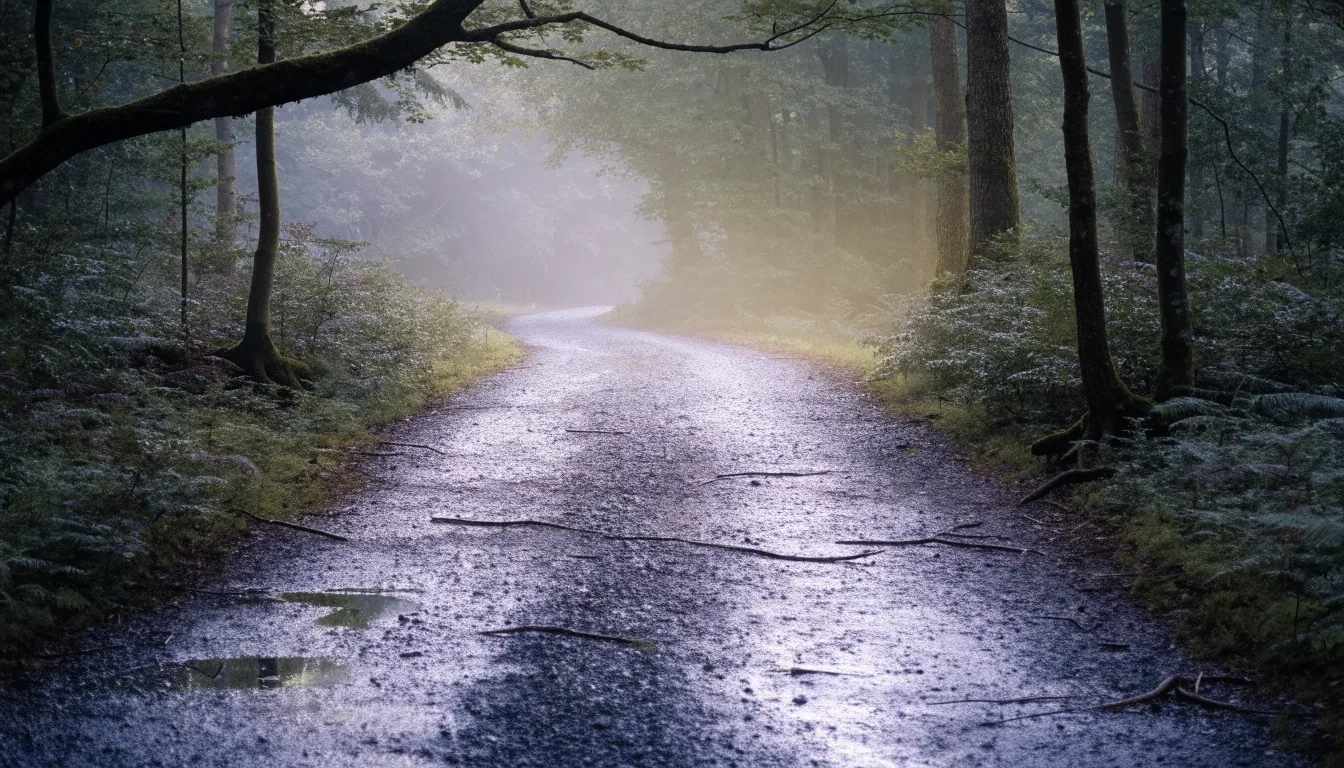
Walking and cycling routes start at the edge of most Slovenian towns. That makes movement the easiest habit to keep.
Why prevention comes first
Slovenia's healthy life expectancy sits well above the EU average, and public reporting treats that as a quality-of-life measure, not only a medical one. The gap between living longer and living well is exactly where daily habits sit, which is why prevention in this guide means routine checkups, blood pressure awareness, movement and sleep, roughly in that order for most adults.
National context
The National Cancer Control Programme keeps screening and early detection on the national agenda.
Heart health
The National Cardiovascular Disease Programme, set to be adopted by 2027, signals the same direction for heart health.
Workplace
The National Health Care Plan 2026-2035, adopted in February 2026, names healthy living across the life course as one of five goals.
Daily habits
What you do at 35 shapes what stays possible at 70. Frequency matters more than intensity.
This site translates that national context into ordinary decisions rather than clinical advice.
Start with sleep, then movement
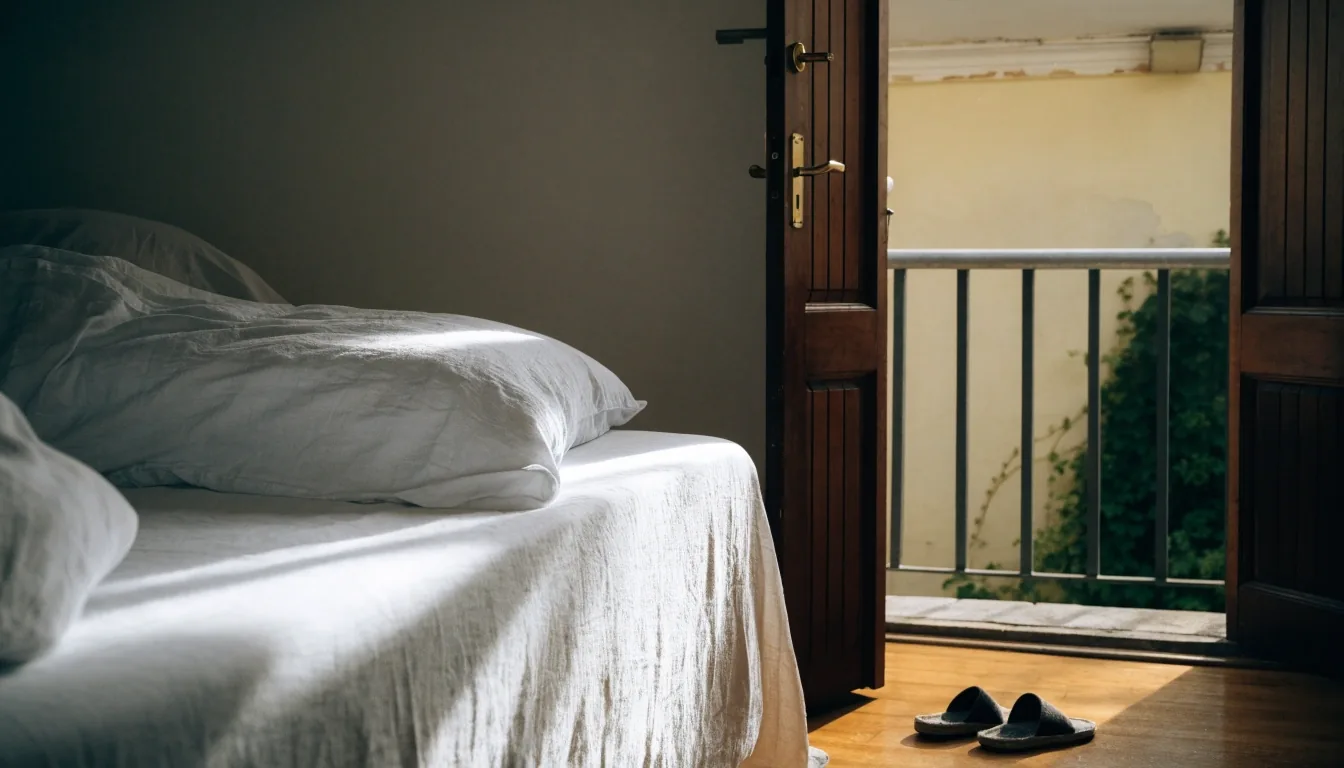
If you change one thing, start with sleep, because poor sleep makes every other habit harder. Aim for a consistent wake time before you worry about the perfect bedtime. Once sleep is roughly stable, add movement you will actually repeat: a 30-minute walk most days, cycling to the shop, or a weekend hike. We don't recommend starting with an intense gym plan if your current baseline is a desk and a car. Build the floor first, then the ceiling.
Start with Everyday HabitsMovement and active days
An active holiday here can mean a morning hike and an afternoon in thermal water. For desk-bound weeks, break up sitting time and get outside at weekends.
Read the Movement guideNutrition without dogma
There's no single Slovenian diet to copy, and we won't invent one. Traditional dishes fit fine alongside lighter meals; the issue is usually frequency and portion, not one ingredient.
Read Nutrition Basics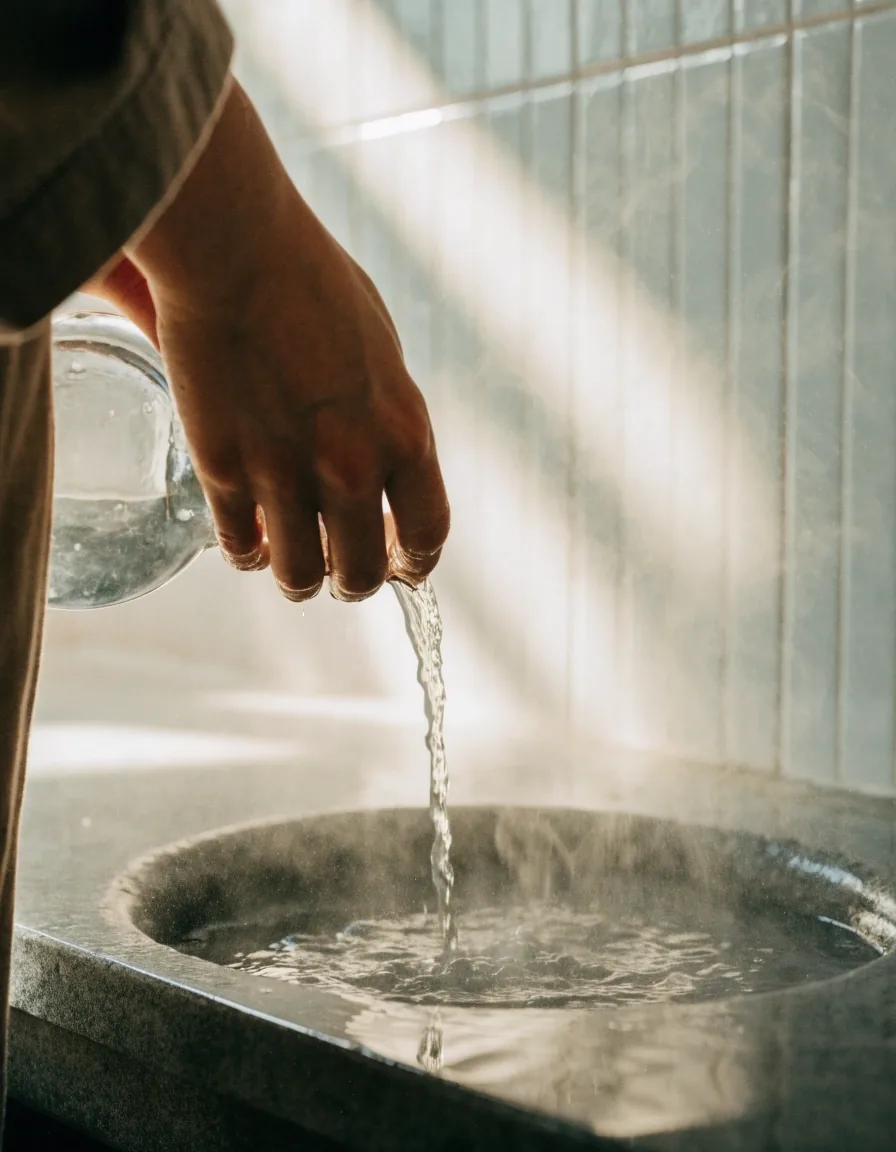
Recovery, spa culture and selfness
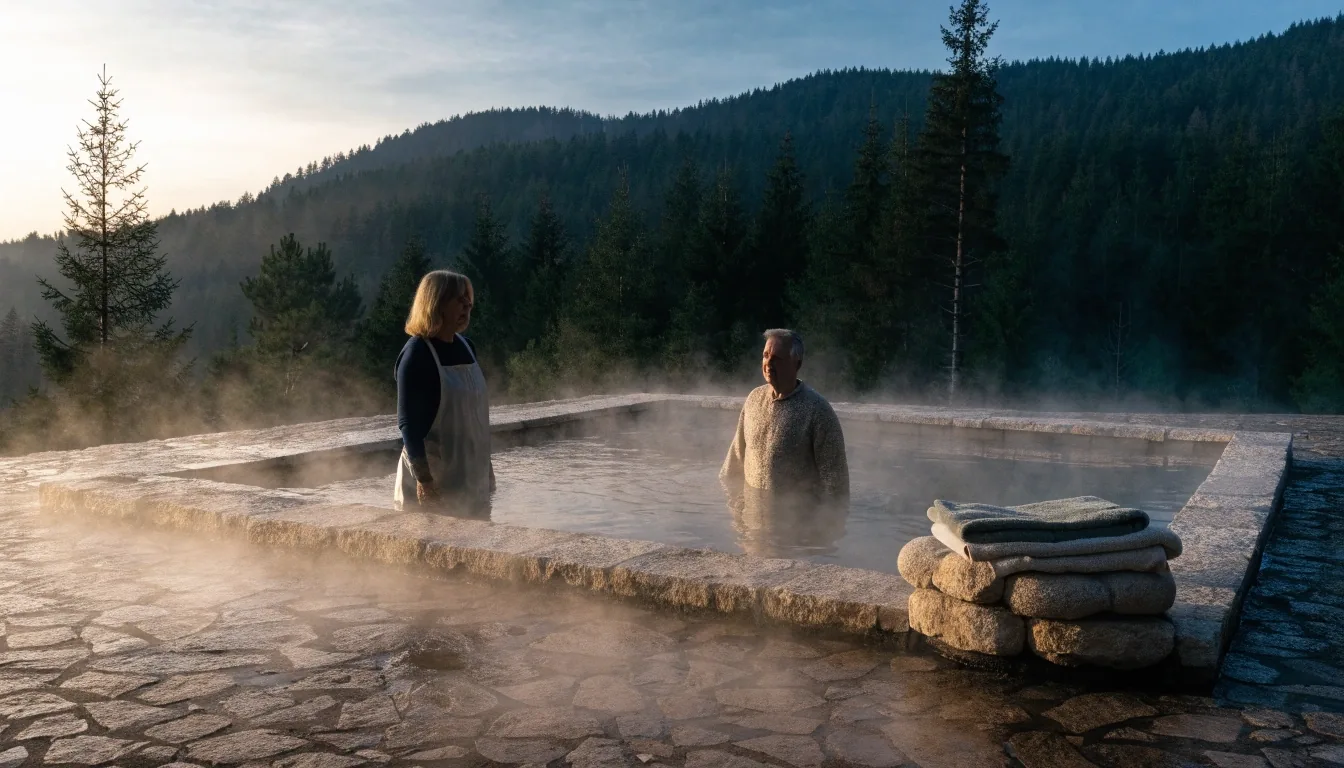
Slovenian tourism promotes selfness as a lifestyle centred on physical and mental health and good energy, often paired with meditation and time in nature. Thermal resorts are a real part of that identity.
- Thermal water
- ritual
- Kneipp approach
- water · movement · herbs
- Quiet time
- non-negotiable
Recovery isn't a luxury add-on. It is the part of the routine that keeps the rest sustainable, which is why NaturHotel Snovik, highlighted in 2026 wellness coverage, pairs water, movement, food, herbs and balance rather than pushing one single treatment.
Recovery and Spa CulturePreventive checkups and screening
Screening exists to catch problems when they are easier to address, which is why national programmes keep it in focus. For most adults the practical questions are simple, and midlife is a reasonable time to get organised about them, especially if you have skipped a few years.
What routine checkups typically involve, and how to prepare without dressing it up as a crisis.
Work, stress and the office week
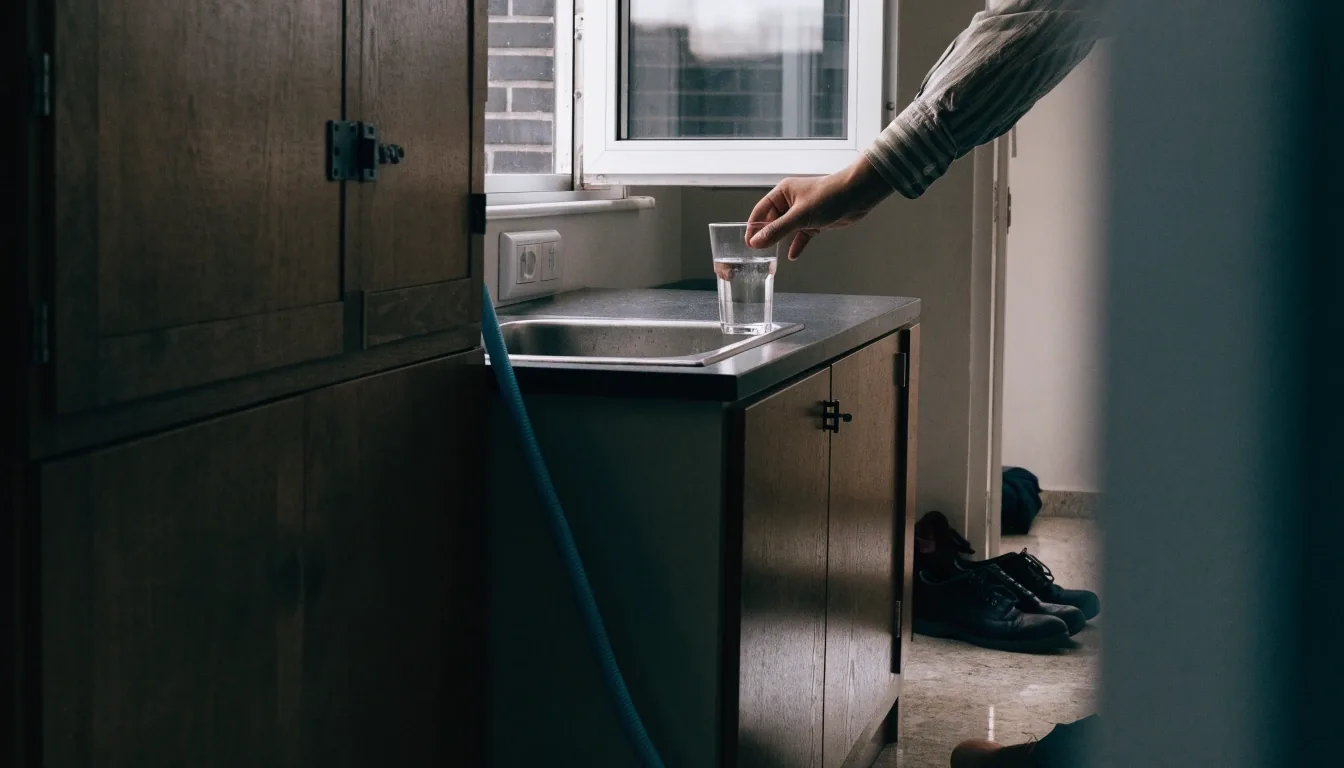
Workplace health is named as a priority in Slovenia's National Health Care Plan 2026-2035, which was adopted in February 2026 and sets five overarching goals, including healthy living across the life course. That policy language matters less than what it implies for your Tuesday: sitting for eight hours, stress that follows you home, and no time left for exercise.
You don't need a lifestyle overhaul to improve this. Small structural changes, like a walking meeting or a fixed lunch break away from the screen, tend to hold up better than willpower. Put the change in the calendar and it survives a busy week; leave it to motivation and it doesn't.
Small move
Walk the last stop instead of riding it. Ten minutes each way, twice a day, is a working week's movement.
Men, women and different starting points
Public health reporting in Slovenia notes that women often report worse self-rated health than men, even with longer life expectancy, which suggests the gap isn't only medical. Stress, care responsibilities, and how symptoms get discussed all play a role. Men, meanwhile, tend to delay checkups.
Pick your entry point
We write for both without pretending the starting points are identical: some pages lead with screening, others with stress and recovery. Pick the entry point that matches your situation, not the one that matches a stereotype.
A life course, not just this year
The National Health Care Plan also points toward preventive programmes, mental health, primary care, digital tools, and lower-carbon healthcare. The through-line is a life-course view: what you do at 35 shapes what's possible at 70.
That's less about any single habit and more about which ones you can still be doing in a decade. We would rather you keep four modest routines for years than adopt ten ambitious ones for a month.
Four that last
Where to start this week
A reasonable first week looks like this. No app required, no course to buy. The rest of this guide exists to help you adjust as your situation changes, not to give you a longer list.
Editorial office
Trubarjeva cesta 42, 1000 Ljubljana, Slovenia
Monday to Friday, 9:00 AM – 6:00 PM
First week protocol
If a step doesn't survive your week, drop it and keep the others. Four routines held for a season beat ten held for a fortnight.
Common questions about this guide
Do I need to change everything at once?
No. Starting with sleep and daily walking tends to produce more durable results than a full overhaul, especially if your current routine is mostly sedentary.
Is this medical advice?
No. This is educational lifestyle content for adults in Slovenia. For symptoms, diagnoses, or treatment, see your primary care doctor.
What is selfness?
It's a wellness concept promoted in Slovenian tourism, describing a lifestyle centred on physical and mental health and good energy, often paired with meditation and time in nature.
Which habit matters most?
For most adults, sleep consistency and routine checkups come first. Movement and nutrition build on that foundation, not the other way around.